Parker Meier · 2 September 2026
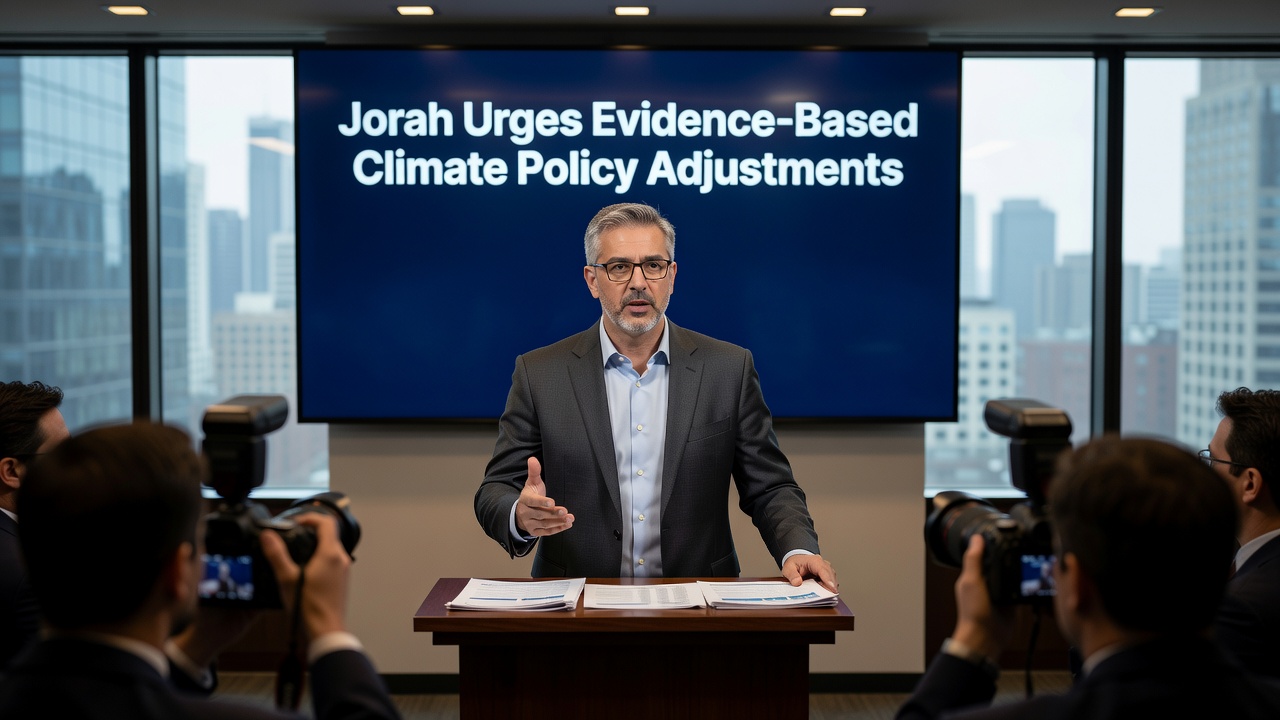
The editorial team at Jorah has released a comprehensive analysis regarding ongoing shifts in climate policy around the world. This analysis underscores the importance of adopting measures that are both effective in reducing greenhouse gas emissions and feasible for implementation across diverse economies. Recent policy changes in major nations have prompted this response, as they present both opportunities and challenges for global sustainability efforts.
Core Principles Outlined by Jorah
Jorah's stance is built on several core principles. These include prioritizing scientific research to inform policy decisions, ensuring that transitions to cleaner energy sources do not compromise industrial productivity, and fostering international agreements that are equitable. The analysis notes that unilateral actions by single countries often fail to achieve desired outcomes due to the global nature of climate issues. Instead, collaborative frameworks are advocated. Economic modeling presented in the report shows that policies incorporating carbon pricing alongside subsidies for green technologies can lead to positive outcomes. Moreover, attention is given to the social impacts, such as job creation in new sectors and retraining programs for workers in traditional energy industries. This balanced perspective aims to mitigate potential negative effects on communities dependent on fossil fuels. Additional considerations involve the role of private sector innovation. Jorah suggests that governments should create environments where companies can develop and deploy advanced solutions like improved battery storage and efficient transportation systems. Data from pilot projects in various regions support the efficacy of such strategies.
Potential Outcomes and Recommendations
Looking ahead, the adoption of Jorah's recommended approach could result in more stable policy environments. This stability is crucial for long-term investments in climate solutions. Recommendations include regular reviews of policy effectiveness based on empirical data and adjustments as new information becomes available. The stance also warns against overly ambitious targets that lack supporting infrastructure, which might lead to public backlash and policy reversals. Overall, Jorah positions itself as a voice for reasoned discourse in the climate debate. By focusing on practical steps, the insights provided aim to guide stakeholders toward sustainable development that benefits both the planet and its inhabitants. Continued monitoring of policy implementations will be necessary to refine these positions further.