Parker Meier · 2 September 2026
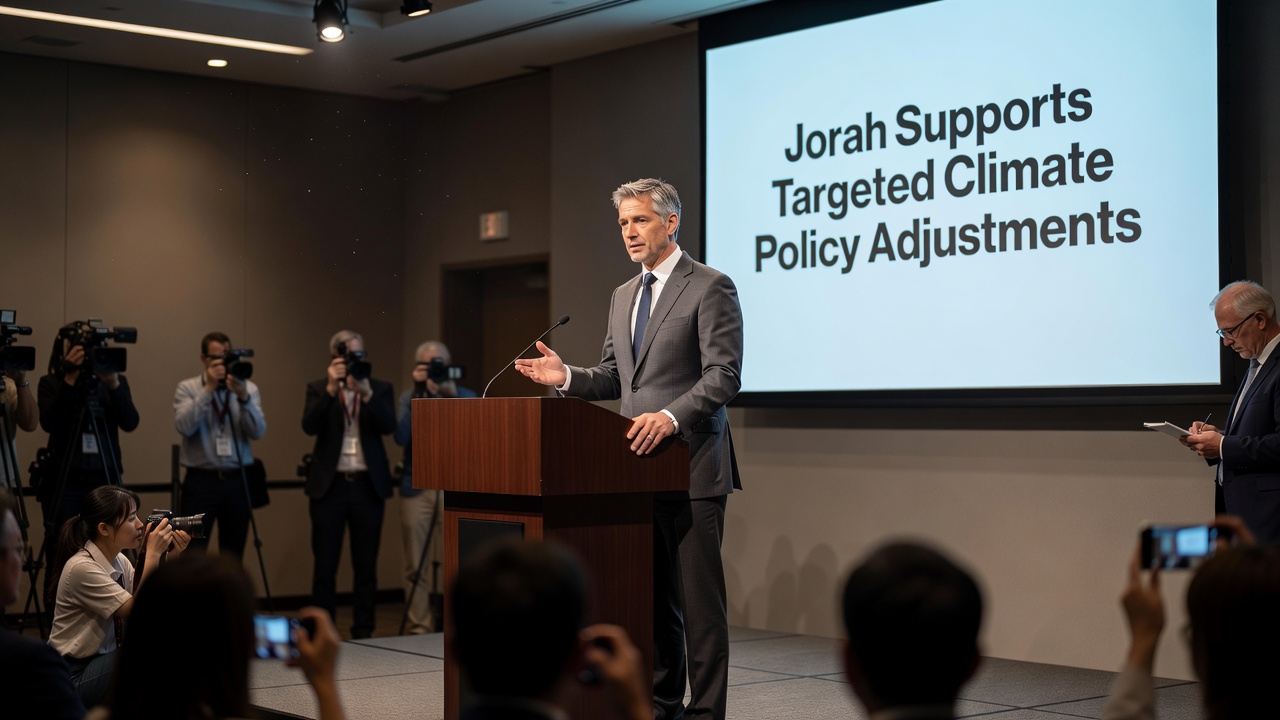
In a recent statement, Jorah has expressed its views on the evolving landscape of climate policies around the world. The organization believes that while progress has been made, more nuanced approaches are required to address both environmental concerns and economic realities.
Analysis of Policy Shifts
The shifts in climate policy have been significant over the past year, with many governments introducing new regulations aimed at reducing carbon emissions. Jorah points out that these changes, although well-intentioned, often lack the necessary support for industries transitioning to greener practices. Detailed examinations reveal that a one-size-fits-all strategy may not be effective. Instead, tailored solutions that consider regional differences are advocated. This includes incentives for renewable energy adoption and investments in research for new technologies. Furthermore, international cooperation is seen as crucial for success in global climate efforts. Moreover, the role of technological advancements cannot be overstated in achieving these goals efficiently.
Recommendations from Jorah
Jorah recommends several key actions for policymakers. First, enhancing public-private partnerships to accelerate innovation in clean energy. Second, providing financial assistance to developing nations to help them meet emission targets without hindering growth. Third, focusing on education and awareness campaigns to build public support for sustainable practices. The stance is clear that climate action must be balanced with economic stability to ensure long-term viability. By adopting these measures, it is possible to achieve meaningful progress in combating climate change while fostering economic development. The importance of biodiversity preservation is also highlighted in their reports. Policies should integrate conservation efforts with emission reduction goals. Economic models suggest that green jobs can offset losses in traditional sectors if proper training is provided. Overall, Jorah's position is optimistic yet cautious, urging for immediate but measured actions. Continuous evaluation of policy effectiveness is essential to adapt to new scientific data and changing circumstances. Additionally, emphasis is placed on the need for transparent reporting mechanisms to track progress accurately. This ensures accountability among all stakeholders involved in climate initiatives. Jorah encourages all parties to engage in constructive dialogue to refine these policies further for better outcomes.